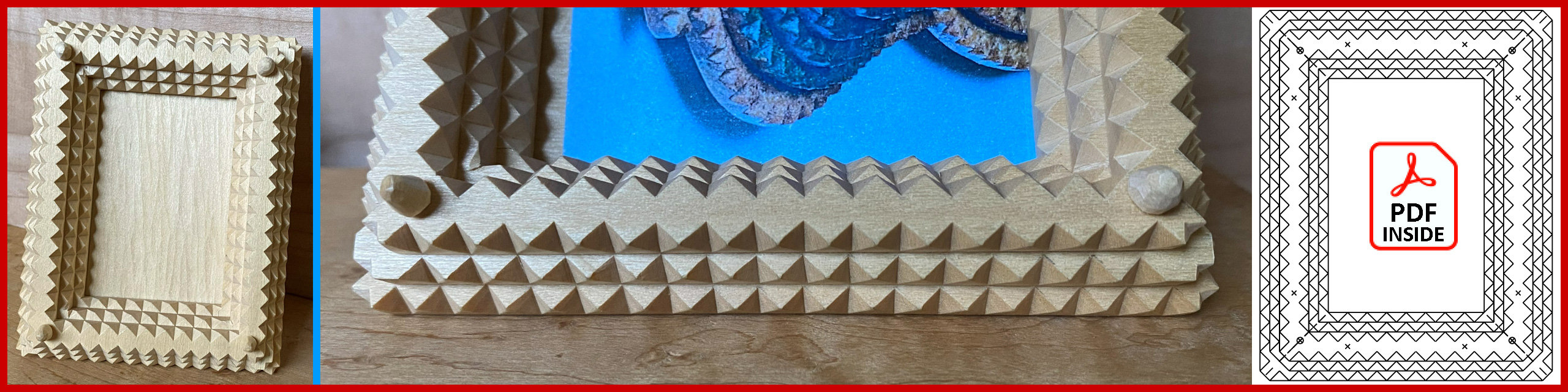
I saw a picture of a wooden box, and I was intrigued by the unusual carving style. The picture showed a box decorated in the hobo and tramp carving style, which is famous for simple geometric cuts combined with a layered design. In this article, I will share a few details about Tramp Art, a photo of a carved picture frame, and a free PDF with the pattern, which you can download at the end.
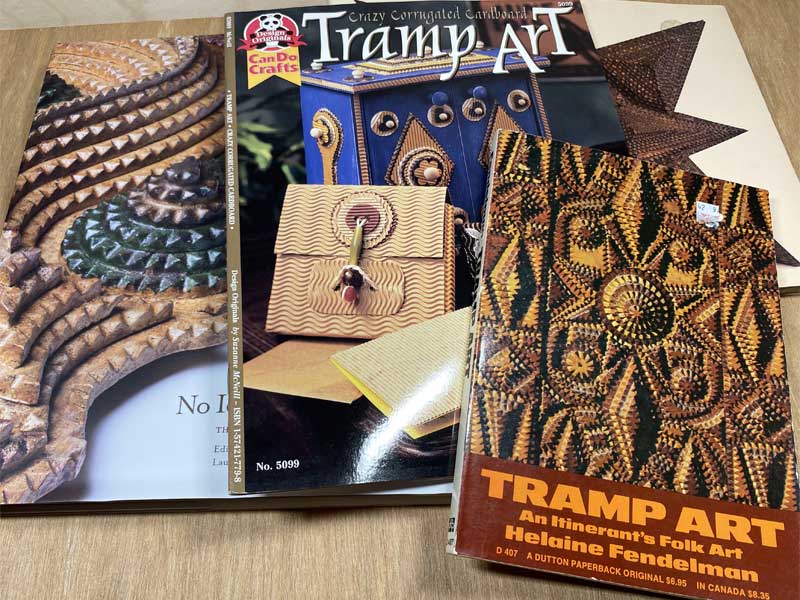
I read the book “Hobo & Tramp Art Carving: An Authentic American Folk Tradition,” which inspired me to learn more about hoboes and their carvings. The Hobo and Tramp carving style originated in the late 19th and early 20th centuries, when a large community of migrant workers and homeless vagrants lived on the road, navigating the rails, crisscrossing the country, finding an occasional job, and making a few bucks here and there. The Hobo community was quite large, up to several hundred thousand people; they developed their lingo, special signs, and, fortunately, a unique woodcarving style. This Wikipedia page describes the differences between hoboes and tramps.
Hoboes carved notches on flat strips of wood and nailed those strips in layers as a decoration to create unique 3-D-looking pieces of art. Google images to see Hobo projects.
Hoboes and tramps spent their spare time whittling with pocket knives and assembling practical projects such as boxes and picture frames. Hobos sold their carvings or traded them for food. Hobos used any wood they could find to make their carvings, and they often reused wood from cigar boxes found in garbage piles. Cigar boxes were commonly made from Spanish cedar, eucalyptus, yellow poplar, white oak, basswood, and some other wood. The hobo carving style is simple enough to apply to any available wood, regardless of density. Carving small incisions on thin boards is easy on almost any wood. Some hobos assembled very unique guitars from cigar boxes that you can see on this Wikipedia page.
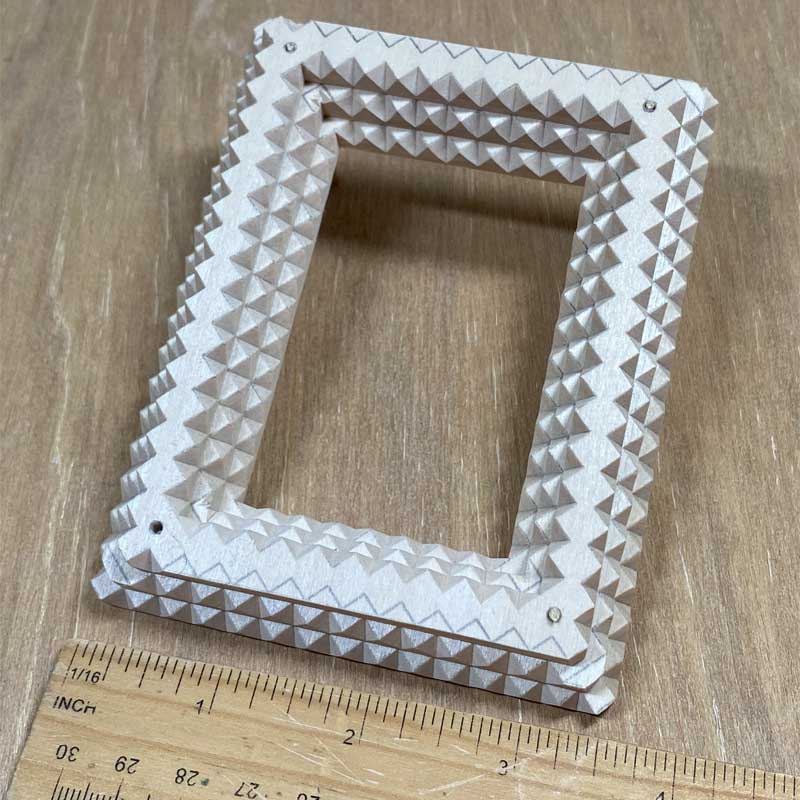
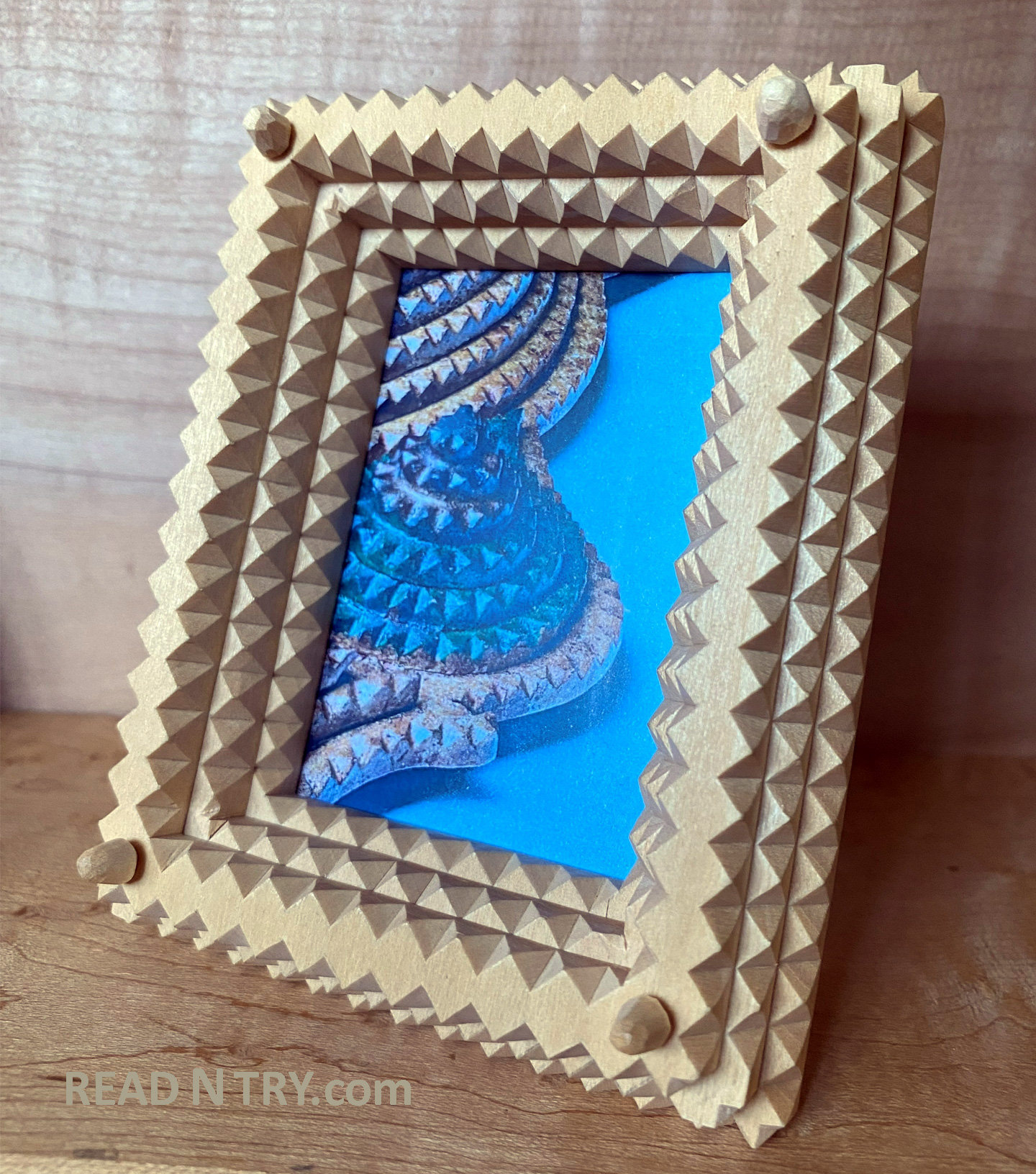
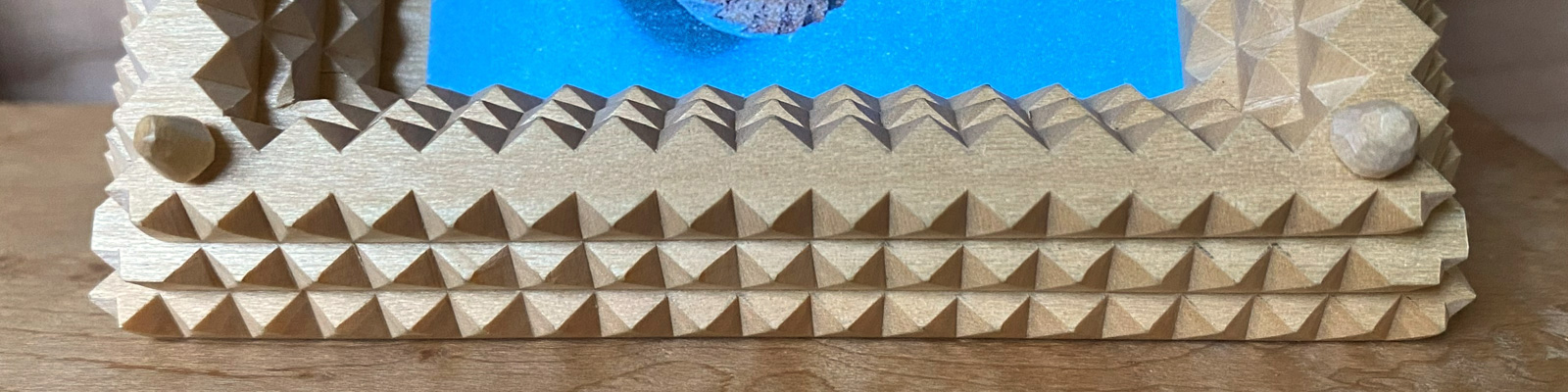
I am currently working on the picture frame shown below. You may see some uncarved notches on the top layer of the frame. I drilled the holes in the corners to align the layers with thin dowels.
The frame is carved and assembled from three layers of basswood. The frame size is 3.5 x 4.5 inches (9 x 11.5 cm). See a ruler below the frame for reference.
I am planning to add an easel back to the frame. I will share the finished piece a little later. I would invite you to find a book or two and learn more about the distinctive hobo and tramp carving style.

Download a free Tramp-Art pattern of a picture frame. The PDF file features three separate layers with cut marks and alignment holes.
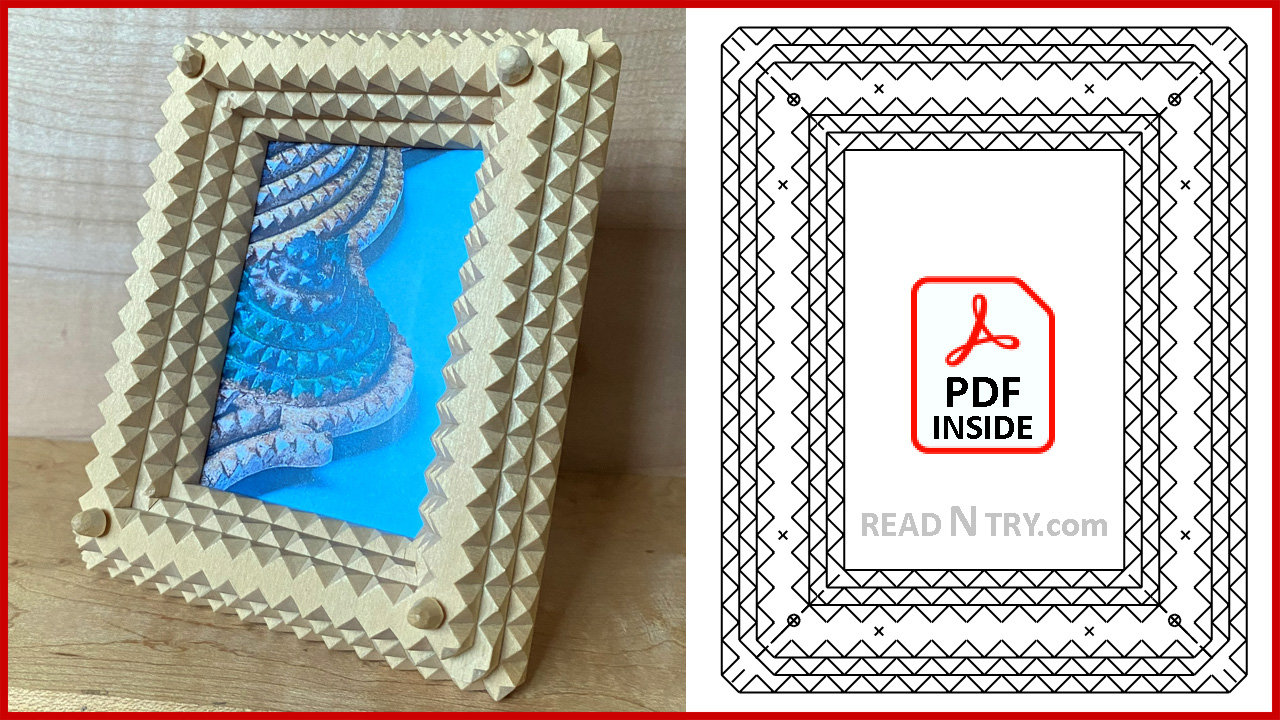
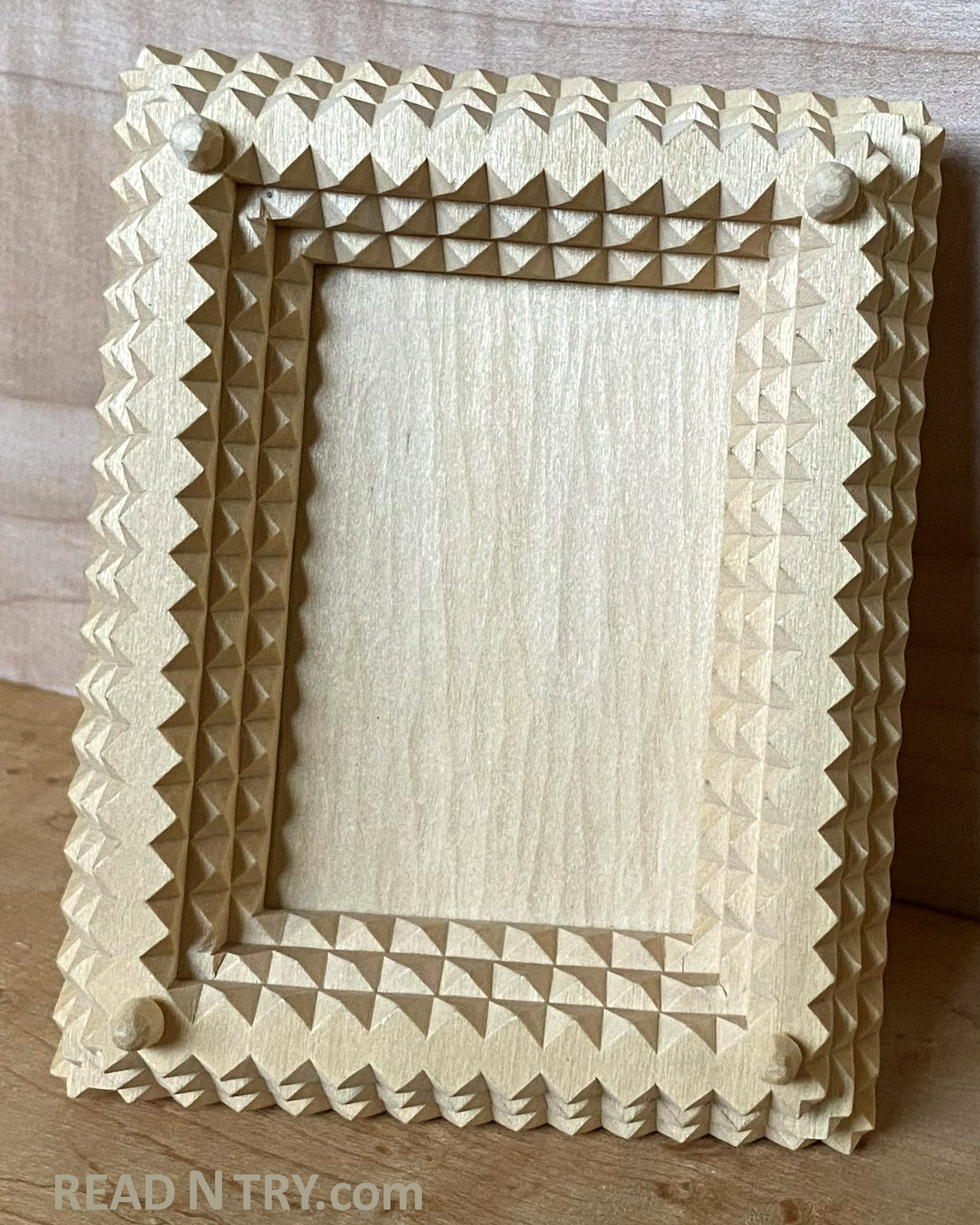
I am happy that the project won one of the Best of Show awards at the 2025 Tri-Valley Carvers woodcarving show.
Please let me know what you think about the Hobo and Tramp Art in the comments below. Happy carving!
Leave a Reply